Every staircase we build passes through one facility in Broomall, PA. It’s within this 150,000 sqft space where every step of the process from design and engineering to machining, welding, fabrication, and finishing stays in-house. We've invested in the technology to...
America’s architecture is as diverse as the landscapes, climates, and communities found across the country. From adobe-inspired homes in the Southwest to wood-filled retreats in the Pacific Northwest and industrial lofts in major cities, American regional design...
When you are designing an outdoor staircase, choosing the right tread material is just as important as selecting the staircase itself. Outdoor stairs are continuously exposed to rain, sunlight, temperature changes and everyday foot traffic, so the materials need to...
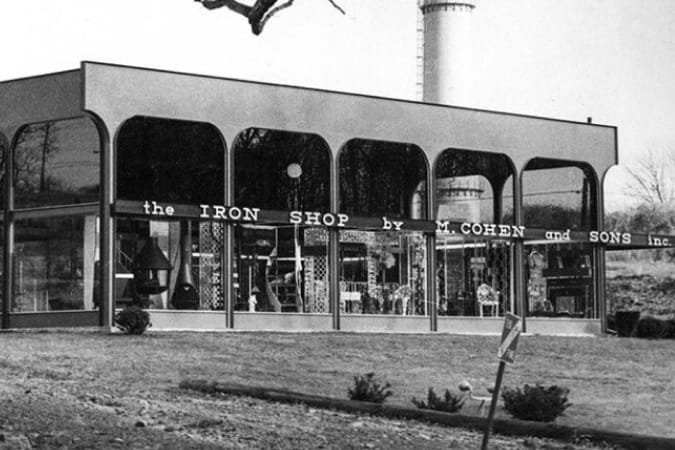
In 2026, America celebrates 250 years of independence, a milestone that invites us to reflect on the innovation, craftsmanship, and industries that helped build the nation. This year is also especially meaningful for The Iron Shop as we celebrate 95 years of American manufacturing excellence.
As part of our American Industrial Series, we’re exploring the evolution of staircases in American homes and how changing architectural styles, manufacturing advancements, and design preferences have shaped the stair systems we know today. From colonial homes to modern living spaces, staircases tell a story of American ingenuity, practicality, and enduring craftsmanship.
Colonial America: Built for Function
In the earliest days of the United States, homes were designed with necessity in mind. Colonial builders focused on creating durable structures that could withstand everyday life while using materials that were readily available.
Staircases during this period were simple and practical. Typically constructed from locally sourced wood, they were designed to connect levels efficiently without occupying excessive space. Decorative features were minimal, but quality craftsmanship remained essential.
Many colonial-era homes still standing today demonstrate the lasting value of thoughtful design and skilled construction. Even in America’s earliest years, builders understood the importance of creating structures built to endure.
The Victorian Era: Staircases Take Center Stage
As the nation expanded throughout the nineteenth century, homes became larger and more architecturally ambitious. During the Victorian era, staircases evolved from purely functional features into focal points of the home.
Grand entryways often showcased sweeping staircases adorned with decorative railings, detailed woodwork, and intricate craftsmanship. Homeowners viewed these staircases as a reflection of personal style and status.
This period helped establish the idea that staircases could be both functional and beautiful. Rather than simply connecting floors, they became defining architectural elements that enhanced the character of a home.
The American Industrial Era: Strength, Innovation, and Timeless Design
As factories, railroads, steel mills, and manufacturing facilities transformed the country during the late nineteenth and early twentieth centuries, a new design philosophy emerged. Today, we recognize it as American Industrial design.
Unlike the ornate details of the Victorian period, American Industrial design emphasized strength, durability, efficiency, and honest craftsmanship. Iron, steel, and exposed metal became defining materials that symbolized America’s growing industrial power.
These principles naturally influenced staircase design. Metal stair systems offered exceptional structural integrity while allowing for cleaner, more streamlined aesthetics. Builders embraced materials that could withstand decades of use while maintaining their appearance and performance.
The American Industrial style continues to inspire architects and homeowners today. Exposed steel, iron accents, and industrial-inspired staircases remain highly sought-after because they combine practicality with timeless visual appeal.
At The Iron Shop, our American Industrial Series celebrates these traditions. For 95 years, we have proudly carried forward the values that defined American manufacturing: precision, reliability, craftsmanship, and a commitment to building products that stand the test of time.
Post-War America and the Rise of Spiral Staircases
Following World War II, American home design shifted once again. Growing suburbs, changing family needs, and evolving lifestyles created demand for more efficient use of space.
Builders sought creative solutions that could maximize square footage while maintaining functionality. This shift helped fuel the popularity of spiral staircases.
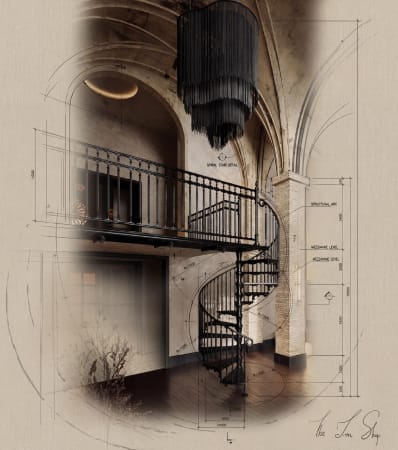
Unlike traditional staircases, spiral staircases require a smaller footprint while still providing convenient access between levels. Homeowners discovered they could preserve valuable living space without sacrificing design or usability.
Whether connecting lofts, basements, decks, or upper levels, spiral staircases became a practical solution for modern living. Their compact design and distinctive appearance made them increasingly popular throughout the second half of the twentieth century.
95 Years of American Craftsmanship
Since 1931, The Iron Shop has remained committed to producing American-made staircases that combine engineering excellence with lasting beauty.
Over the past 95 years, architectural styles have evolved, building materials have advanced, and homeowner preferences have changed. Through it all, our commitment to quality craftsmanship has remained the same.
Every staircase we manufacture reflects principles that have defined American industry for generations:
Precision engineering
Durable construction
Timeless design
Skilled craftsmanship
Long-term performance
These values have allowed us to serve homeowners, builders, architects, and businesses throughout the country while maintaining the standards that have guided our company for nearly a century.
Why Spiral Staircases Continue to Endure
Design trends may come and go, but certain features remain timeless. Spiral staircases continue to be one of the most versatile and enduring staircase solutions available because they offer benefits homeowners consistently value.
Some of the reasons spiral staircases remain popular include:
Space-saving design
Distinctive architectural appeal
Indoor and outdoor versatility
Customizable configurations
Durable materials
Compatibility with both traditional and contemporary homes
Whether incorporated into a historic renovation or a modern custom home, spiral staircases provide a balance of functionality and visual impact that few architectural features can match.
Looking Toward the Future
As America begins its next chapter and The Iron Shop celebrates 95 years of craftsmanship, one thing remains clear: quality never goes out of style.
The evolution of staircases reflects the larger story of American innovation. From colonial builders and Victorian craftsmen to the manufacturers who fueled the American Industrial era, each generation contributed new ideas while maintaining a commitment to durable construction and thoughtful design.
At The Iron Shop, we are proud to continue that tradition. Through our American Industrial Series and our commitment to American manufacturing, we remain dedicated to creating stair solutions that honor the past while serving the needs of future generations.
As we celebrate America’s 250th anniversary and our own 95-year milestone, we look forward to continuing a legacy built on craftsmanship, innovation, and products designed to last.
It’s our President’s birthday—and we’re celebrating by giving you a little extra time! Lock in your 2026 pricing for up to 6 months, by ordering now thru November 25, 2026.* Request Your Quote