Take me out to the ballgame…
If you’re anything like me, Opening Day just hits different. It’s the start of something new, a fresh season, and that unmistakable crack of a bat that somehow sounds better than anything else. Whether you’re in the stands or watching from your couch, that sound is iconic. And more often than not, it’s coming from a Louisville Slugger.
I recently had the chance to visit the factory, and it absolutely lived up to the hype. I won’t spoil the full experience, but let’s just say it gave me a new appreciation for what goes into something as “simple” as a baseball bat.
SLugger blog
From Ballparks to Workshops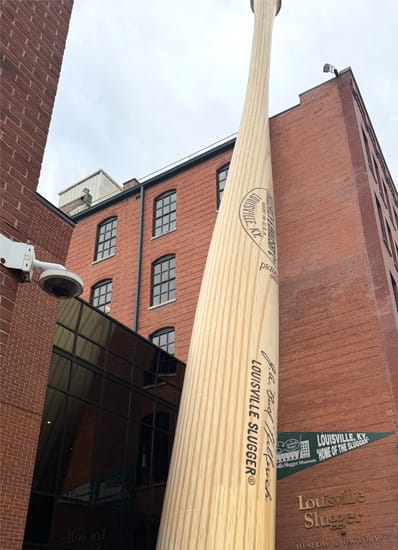
As you walk up to the entrance, you’re greeted by something you really can’t miss, the world’s largest baseball bat. It sets the tone immediately. Inside, the tour starts with a quick history and overview before you head onto the production floor.
One thing that stood out right away is how much precision goes into every single bat. From raw wood to finished product, the process is incredibly dialed in. And while I won’t give away all the details, let’s just say it’s a lot more technical than most people would expect.
The tour wraps up in a section filled with historic bats. I even got to take a couple swings with a replica of Babe Ruth’s bat, which is about as close as I’ll ever get to the majors.
The Unexpected Connection to The IRON Shop
Here’s where things get interesting.
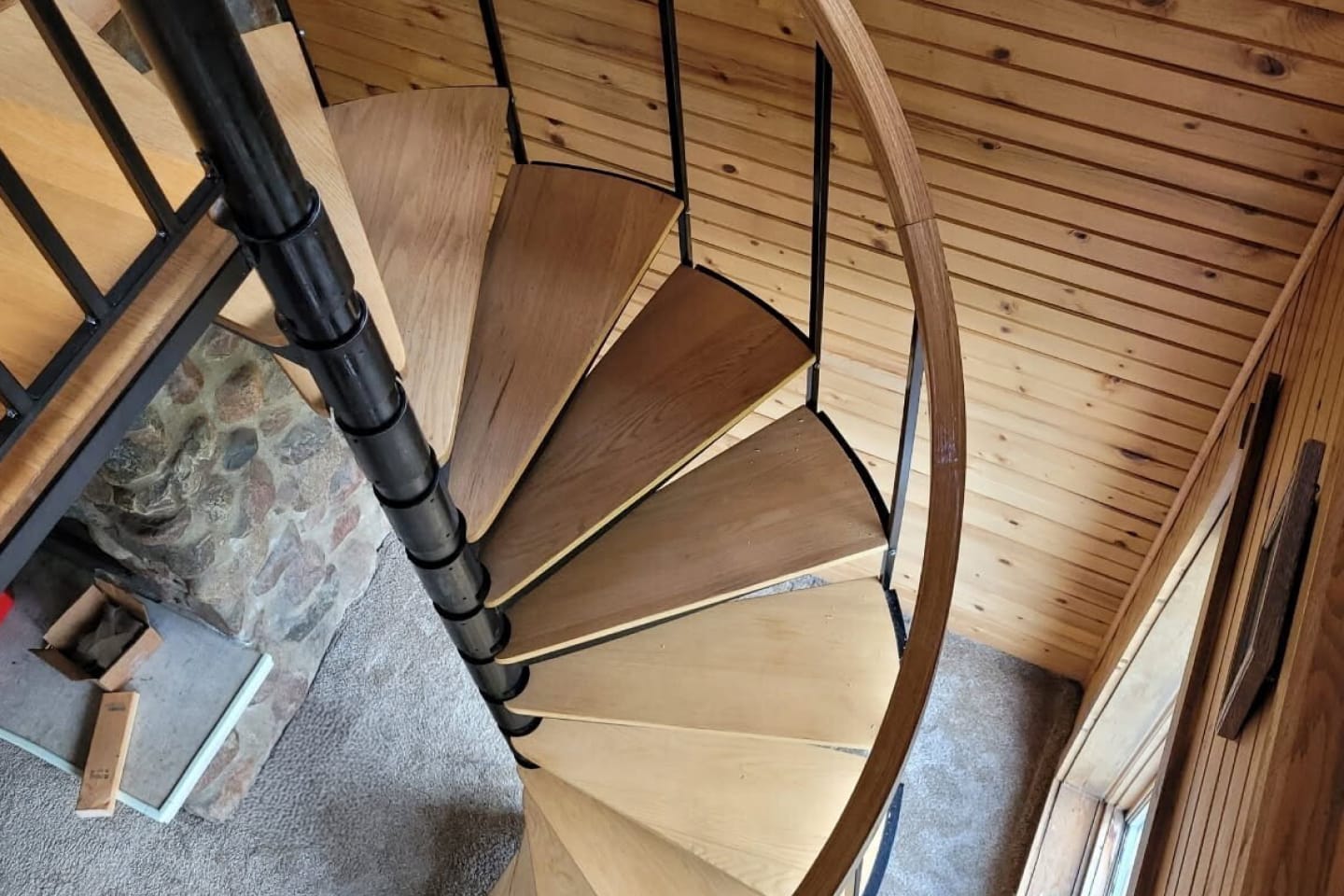
Even though I was in Kentucky, walking through that factory kept bringing me back to Broomall, Pennsylvania and The IRON Shop’s wood division. On the surface, baseball bats and stair treads don’t seem like they’d have much in common, but the processes actually share a lot of similarities.
Both start with raw wood. Both rely on precision machinery. And both still depend heavily on craftsmanship to get the final product just right.
At The IRON Shop, wood tread coverings go through a process that looks surprisingly familiar:
- Sourcing quality materials
- Shaping and molding the wood
- Running pieces through CNC (Computer Numerical Control) machines for exact sizing
- Sanding and finishing for a clean, polished result
It’s not identical, but the overlap is real. Technology helps get things to the right dimensions, but it’s the hands-on work that brings it all together.
That’s something both industries clearly value.
Where Craftsmanship Still Wins
One thing that stood out in both environments is that machines don’t replace craftsmanship, they support it.
At The IRON Shop, we’ve always been a machine-assisted operation, not a machine-driven one. The same idea shows up in bat manufacturing. CNC machines and automation help with consistency, but the finishing touches still come down to people who know what they’re doing.
That balance is what creates a product that not only works well but also looks and feels right.
Built on History, Evolving for Today
There’s also a shared story in how both industries have evolved over time.
The IRON Shop is coming up on its 95th anniversary in 2026. Louisville Slugger has been around for more than 165 years. Neither started exactly where they are today.
Slugger began as a woodworking operation before becoming a baseball icon. The IRON Shop didn’t originally focus on spiral staircases the way it does now. Both have adapted over time, responding to what customers want while staying rooted in their core craft.
You can see that evolution in the products themselves:
- Baseball bats now come in a range of wood types and composite materials
- Stair systems have adapted for outdoor durability and modern design preferences
- Styles have shifted with trends (you probably weren’t seeing pink bats before 2010)
The ability to evolve without losing identity is what keeps both industries relevant.
More Than Just Wood
At the end of the day, whether it’s a bat or a stair tread, it’s about more than just the material.
It’s about process. Precision. Craft. And a long-standing commitment to doing things the right way.
So next time you hear that crack of a bat, just know there’s a little more behind it. And maybe, just maybe, it’s not all that different from what goes into the steps you walk on every day.
…At the old ball game.